Locations Locations
Whole House Repipe as low as $29.59/day
Free Consultation Free Consultation

Copper Repiping for Southern California Homes

Copper repiping is popular for its durability, mechanical strength, and long-term performance. It resists UV and chemical damage and handles high temperatures. Repipe1 installs complete Type L copper systems, fully compliant with local building codes, for lasting infrastructure upgrades.

reviews banner

Signs Your Home May Be a Good Candidate for Copper Repiping

Home repiping is an intensive process. Here are a few factors why copper is a good choice for your home’s plumbing system.

Copper Repiping

Why Homeowners Still Choose Copper in 2026

The Reasons Why People Prefer Copper in Their Houses in 2026

Even though plastic piping is popular among homeowners, rigid copper is still a very efficient and dependable choice for domestic water systems:

Durability

A well-sized and soldered Type L copper water supply lasts up to 50-70 years with typical municipal water conditions.

Strength and Rigidity

Copper pipes do not bend and sag between the floor joists and do not expand because of the changing pressure of water.

Fire Safety

Because of its non-combustibility, copper will neither melt nor drip when there is a house fire.

Protection from UV rays

Sunlight has no effect on copper, which allows the use of this material outdoors.

Increases your home’s resale value

Homebuyers and building inspectors see a copper plumbing system as a high- quality upgrade that adds lasting value to the home.
Copper Repiping

Talk to a Repipe Expert Today

When Copper Is Better Than PEX

Selecting between copper and PEX depends on the physical and environmental factors of your home:

When Copper Is Better Than PEX
Technician running a video camera inspection on underground pipes 

TRUSTED BY
Homeowners

What Southern California Homeowners Say About Repipe1

Play Video

"Our 1952 Pasadena home had galvanized pipes choked with rust and terrible water pressure. Since we were remodeling, we wanted a permanent fix with rigid Type L copper. Repipe1 finished in 3 days, patched the walls smoothly, and passed city inspection easily."

Copper Repiping
Copper Repiping
Repipe 1 technician discussing repair options with a homeowner

What’s Included in Our Repiping Services

Whether you’re dealing with outdated galvanized plumbing or planning a proactive upgrade, our services are built around quality, reliability, and peace of mind.

We’ve completed more than 50,000 repiping projects across Southern California—and every one of them came with our signature lifetime warranty.

What to Expect During the Copper Installation Process

We follow a structured 10-step process designed to protect your home and meet California Plumbing Code standards

What to Expect During the Copper Installation Process
Lead-Free Soldering & Workmanship Standards

Lead-Free Soldering & Workmanship Standards

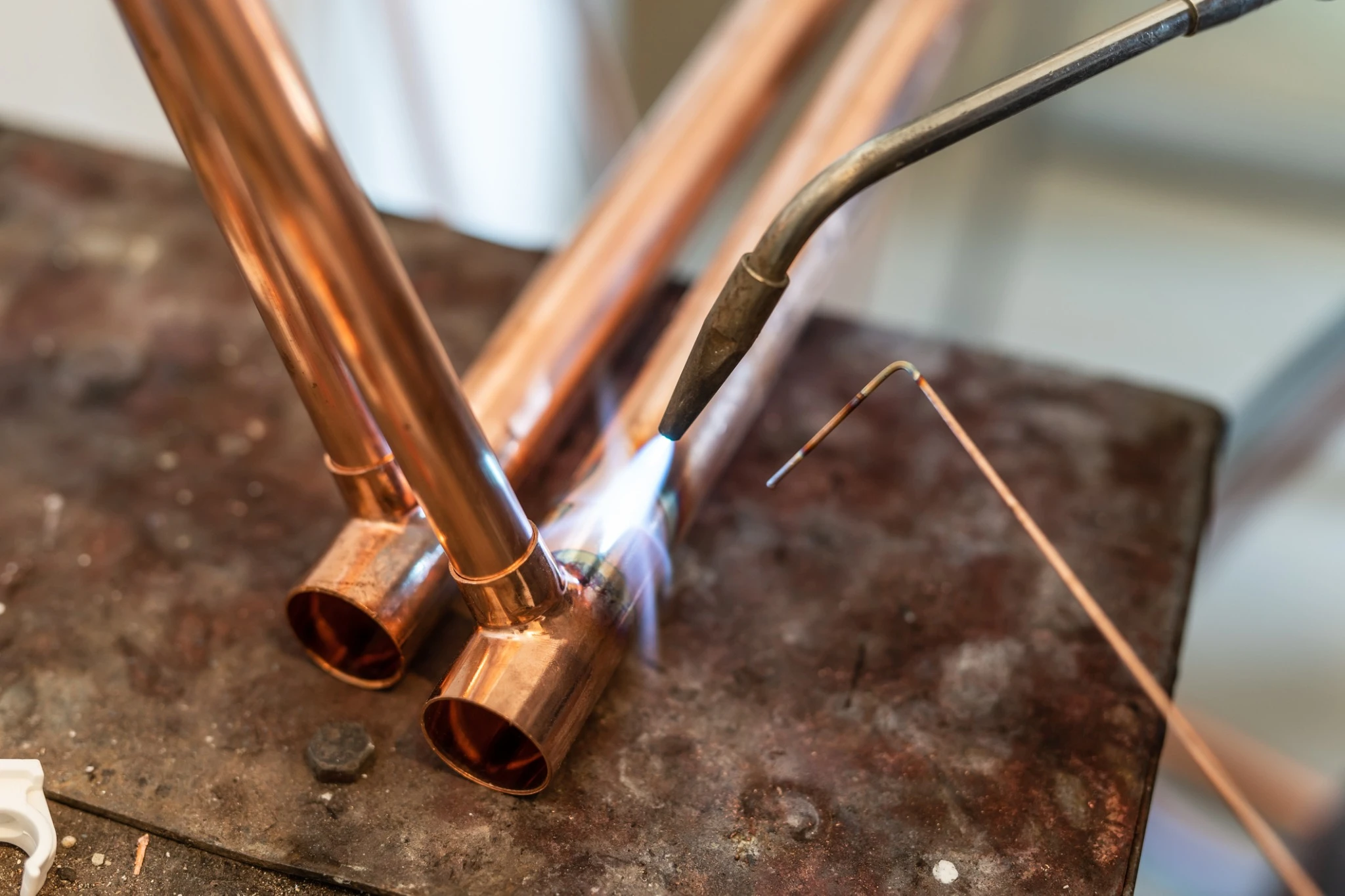
Copper system installation requires precise soldering at every joint for a watertight seal and safe drinking water. We follow building codes by:

Hydrostatic Pressure Testing & Verification

Before sealing any access cuts in your walls, our technicians perform a
thorough pressure test to confirm that every new connection is
completely leak-free:

Hydrostatic Pressure Testing & Verification

Schedule a Copper Repiping Evaluation

Deciding whether copper is the right fit for your home begins with a thorough on-site technical evaluation. Repipe1 provides comprehensive home plumbing assessments across Southern California to help you evaluate your piping options without obligation.

Repipe1 custom branded service vehicle parked outside a Southern California residential property for an on-site consultation.

Is Copper Worth the Additional Investment?

While copper repiping costs more upfront than plastic options like PEX, it offers long-term benefits

Labor Costs

Higher Material & Labor Costs

Copper is pricier because of metal costs and specialized installation.

Lifespan

Long Lifespan

Copper pipes typically last 50–70 years,
spreading the cost over decades.

Copper Repiping

Boosts Resale Value

Homebuyers and appraisers see copper as a lasting upgrade, which can help with resale.

Every Copper Repipe Includes

Every Copper Repipe Includes

Key Differences: Type L Copper vs. PEX

Whether to use copper or PEX pipes should be determined by how your house is arranged and your plans for its renovation and maintenance

Copper Repiping

Installation

Copper piping needs precise measuring and torch-soldered joints, while flexible PEX bends easily around studs and connects with expansion or crimp fittings.

Copper Repiping

Initial Cost

Copper is a more expensive metal with a labor-intensive installation process, as compared to less costly PEX installation.

Copper Repiping

Durability

Copper can last up to 50 to 70+ years in neutral water, while PEX can last 40 to 50 years.

Copper Repiping

Sound Absorption

PEX can absorb the natural noise of the water
inside the pipes, while rigid copper piping needs insulating support to
reduce noise levels.

Copper Repiping

Chemistry of Water and Resistance to Corrosion

Flexible PEX resists scale build-up, chlorine, and acidic water; however, rigid copper is vulnerable to pinhole corrosion if the water pH is lower than 6.5.

Copper Repiping

Talk to a Repipe Expert Today

Quality Commitments & Code Compliance

To provide lasting performance and code-compliant work, we maintain
high standards during the course of all our projects

No matter what your repiping needs, contact us first to learn about copper pipes and other options that will work best for your home and family.

Repipe 1 technician discussing repair options with a homeowner

Frequently Asked Questions

Copper Repiping
How long do copper pipes last?

A copper water system installed with thick Type L tubing and lead-free
solder generally lasts between 50 and 70 years under normal water
conditions.

Why do copper pipes develop pinhole leaks?

Pinhole leaks usually happen due to local water chemistry, high mineral
content, low pH levels, or high-water velocity eroding the inside of the
pipe. In older, thin-walled Type M copper, this localized wear eventually
creates tiny holes.

Is copper good for hard water?

Copper performs well under standard municipal conditions, but very hard
water with high mineral levels can cause scale to build up inside the pipe
over time. Installing a home water softener helps protect your pipes.

Can copper be installed in every home?

Yes. Copper can be routed through wood studs, steel framing,
crawlspaces, and attics. However, copper should not be buried directly
in concrete slabs without poly sleeving to protect it from chemical
reactions with concrete.

Can I replace only part of my plumbing with copper?

Yes. You can replace specific sections—such as exposed garage lines
or a single bathroom during a remodel. However, if the rest of the house
has old galvanized pipe, replacing the full system prevents rust
fragments from clogging your new valves.

What maintenance does copper require?

Copper supply lines need virtually no routine maintenance once
installed. It is good practice to check exposed shutoff valves
occasionally, make sure your main water pressure regulator stays
between , and keep your water softener filled if you have one.

Let’s Talk About Your Plumbing Needs

    What Service Do You Need?


    When can we begin the process?


    What Plumbing Issues Are You Experiencing?


    Which Option Best Describes Your Situation?


    Any additional details you'd like to share?

    ×
    Floating Icon
    Scroll to Top