PEX Repiping for Southern California Homes with Aging Plumbing Systems
When old metal pipes fail, especially in homes with deteriorating galvanized steel or outdated polybutylene, PEX is a smart replacement. Its flexible, leak-resistant design outperforms copper in shifting soil or complex spaces. Repipe1 installs PEX for reliable, long-lasting plumbing.
When Should You Choose PEX Instead of Patch Repairs?
Small spot repairs only hide deeper plumbing issues. A complete replacement is usually the best path forward when dealing with:
- Multiple pinhole leaks: Fixing one leak does not stop pipe walls from thinning out elsewhere due to internal corrosion.
- Galvanized plumbing: Decades of mineral buildup choke off your water flow, making partial repairs useless.
- Polybutylene replacement: These gray plastic pipes are prone to sudden fitting failures and material breakdown.
- Slab leak history: Rerouting your lines above ground through walls and ceilings permanently stops future leaks beneath your foundation.
- Full home remodels: Updating your plumbing during major renovations prevents you from having to open up finished walls later.
- Low water pressure throughout the house: Widespread pressure drops mean your old pipes are clogged or damaged from end to end.
Why Common Plumbing Symptoms Mean Your Whole System Is Failing
Low or dropping water pressure across multiple faucets at the same time:
Mineral scale and rust build up inside aging pipes over time. This gradually shrinks the inside of the pipe and chokes water volume across every branch line.
Frequent pinhole leaks hiding behind drywall or under concrete floors:
A leak in the wall usually means the entire metal pipe network has thinned out from reacting with harsh local water minerals.
Bitter, metallic-tasting water or visible rust flakes from your taps:
Loud banging noises shaking inside your walls:
This happens when sudden water pressure surges slam against rigid metal pipes that lack the flexibility to absorb the shock.
Heavy lime and scale deposits blocking your water flow:
Hard water minerals bond to the rough interior walls of metal pipes, slowly sealing them shut until your water pressure drops significantly.
Reasons Why More Southern California Homes Are Switching to PEX
Water in Southern California is hard on conventional metallic pipe. Switching to flexible tubing made out of polymer brings several practical benefits:
- Flexible: This material allows the tube to bend around the structure, making it possible to use fewer elbows and connections.
- Few connections: Long lengths require fewer connecting points that are inside your walls.
- Easy installation: Flexible tubes install quicker compared to soldered copper or threaded steel.
- Attic Routing: Flexible tubes thread through attic spaces easily.
- Crawlspace Routing: Pipes can be easily routed under the flooring without fabrication.
- Resistant to corrosion: Polymer inner surface does not pit and does not react to hard water.
- Hard Water performance: PEX pipes have smooth walls that resist hard water scaling, and their flexible design allows quicker installation with fewer connections, reducing labor costs.
TRUSTED BY
Homeowners
What Southern California Homeowners Say About Repipe1
Brenda T., Los Angeles
Our 1955 bungalow had ancient galvanized steel pipes choked with rust. The water tasted metallic and came out in a weak trickle. Repipe1 replaced everything with clean PEX lines. The team took three days total, including patching up the drywall. Now the water tastes great and runs strong at every tap.
What to Expect During the PEX Installation Process
- Plumbing inspection: A technician checks your current pipe materials, layout, and incoming water pressure at the pressure regulator.
- Pipe routing plan: The crew maps out the most efficient paths through your attic, walls, and crawlspaces.
- Protect floors and furniture: Work areas, flooring, and furniture are covered with protective sheets to catch dust and debris.
- Small drywall openings: Technicians make precise, minimal cuts to reach old pipes and run new branch lines.
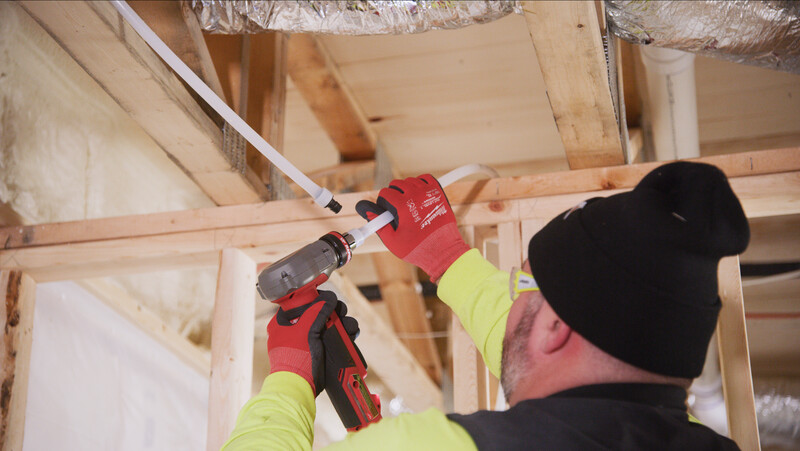
- Continuous PEX installation: Flexible tubing is pulled through your home's framing from a central manifold to each fixture.
- Fixture reconnections: New shutoff valves and supply lines are securely attached to your sinks, toilets, and water heater.
- Pressure testing: The entire system is pressure tested for a leak-proof installation before the walls are covered.
- City inspection: City inspectors ensure that the installation has been done per the California Plumbing Code.
- Drywall repairs: The drywall technicians fill, texture, and paint to match any access holes left by the installation.
- Final inspection: The project concludes with a final system check and fixture review with you.
How Continuous PEX Line Routing Works
Modern plumbing systems use a central manifold and a home-run configuration that allows for direct piping to individual fixtures. Rather than piping from one tee to another via a single pipe, the home-run system uses piping from the manifold to each fixture, including the sink, shower, and appliance. With this design, no joints are hidden in the wall, and there is even water pressure throughout the entire building.
Understanding Expansion Connections
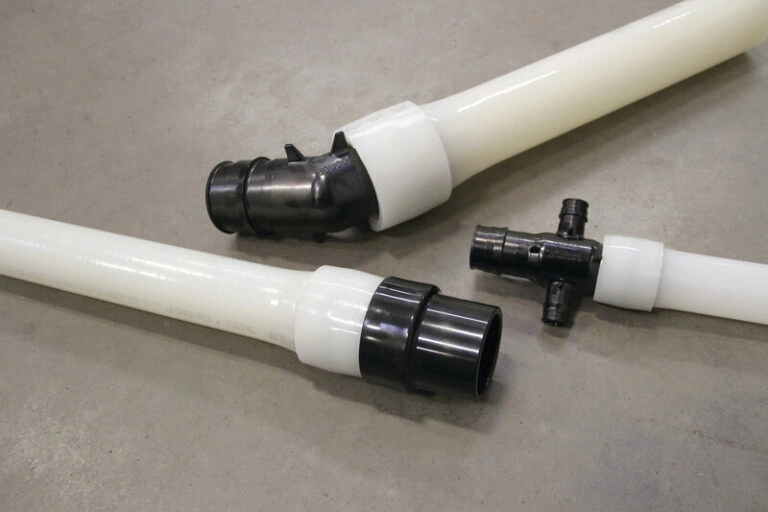
Good plumbing depends on proper joining techniques. PEX-A installations usually use ASTM F1960 expansion fittings. In this method, a tool expands both the pipe end and a ring. After inserting the fitting, the material contracts, creating a secure connection.
PEX-B systems generally use ASTM F1807 crimp or clamp rings. Using the right installation methods and tools ensures long-term reliability and leak-proof seals at every connection.
PEX-A vs PEX-B
Comparison between the two different materials will help you understand what options you have:
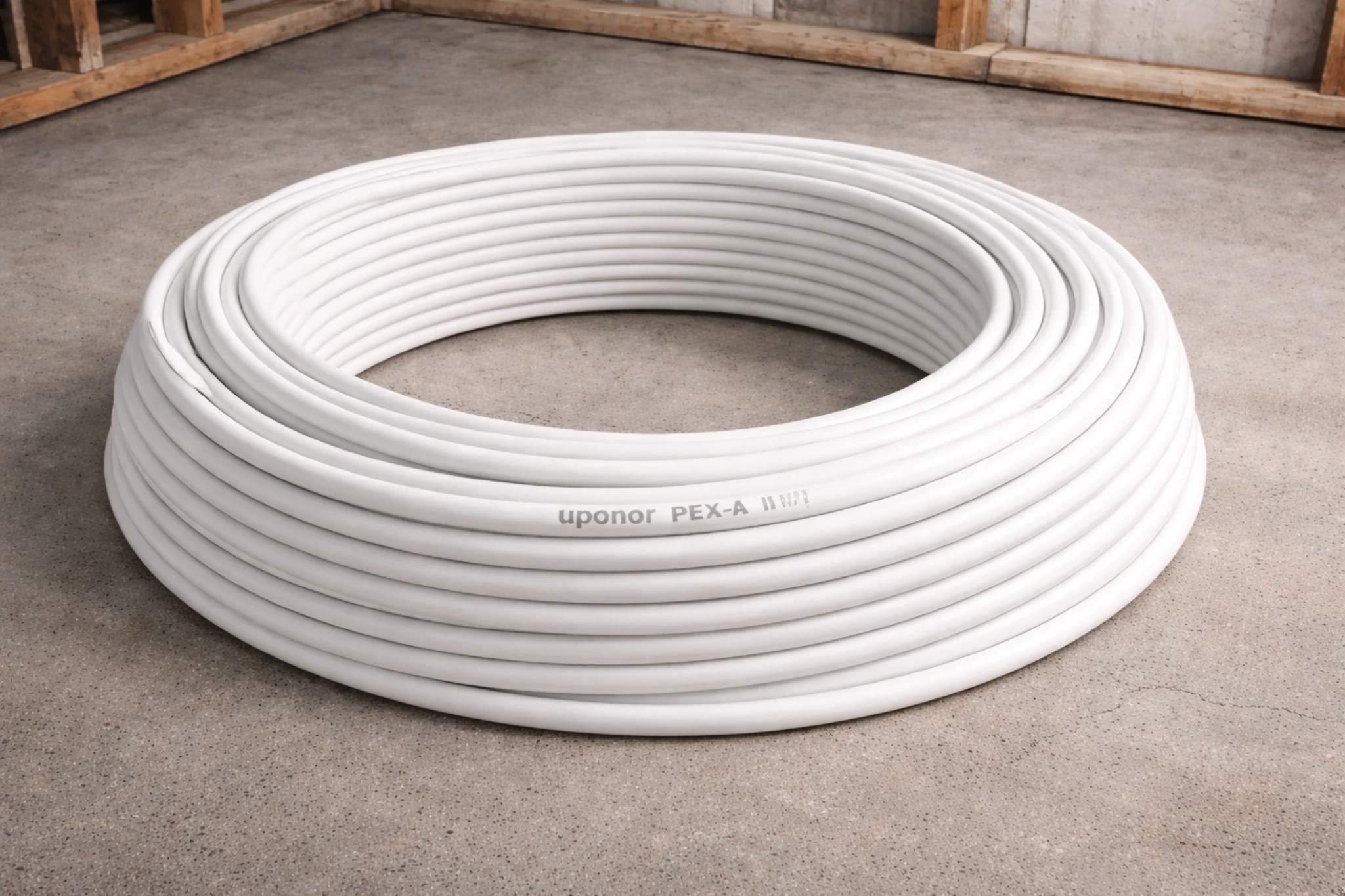
- PEX-A: Produced via the peroxide technique, it is highly flexible, frost-resistant, and suitable for expansion fittings that maintain wide openings in the pipe.
- PEX-B: Produced via the silane technique, it is somewhat less flexible than the other type and uses crimp or clamp ring connections.
- Performance: Both options are highly durable, resistant to corrosion, and safe for drinking water usage.
Every PEX Repipe Includes
- Replaced water lines: An entirely new piping system that ensures a perfectly even water flow throughout the network.
- Shutoff valves: All quarter-turn shutoff valves are installed at each fixture and entrance point.
- Properly attached fixtures: Fixtures are properly attached to all new pipes at all sinks, toilets, showers, and water heaters.
- Pressure testing: Rigorous pressure testing is done to ensure system integrity before the wall repair work.
- Permitting: Full permitting and inspection with municipal authorities.
- Drywall repair: Professional in-house repair and texture matching for all necessary access cuts.
- Site clean-up: Complete cleanup of the job site.
When Copper Might Be a Better Choice
Though polymer pipes are an excellent choice for many residential buildings, copper pipes are used in the following instances:
- Exposed plumbing: Copper allows for the installation of rigid-looking pipes that can be used outdoors or indoors where they will be visible.
- Luxury custom projects: For individuals who prefer to use metal pipes on their architectural project.
- Specific insurance requirements: In certain regions, insurance companies require the use of metal pipes.
- Remodeling Considerations: In partial renovations when connecting into copper stub-outs.
Our Operational Standards
- Every installation is pressure-tested before drywall repairs begin.
- Every project follows California Plumbing Code requirements.
- Our team coordinates the Municipal inspections.
Schedule a PEX Repiping Evaluation
An on-site visit provides clarity before starting any work. During the evaluation, a technician identifies your existing pipe material, reviews your past leak history, and assesses your home layout and water pressure. You receive a clear, tailored recommendation comparing PEX and copper along with a written, flat-rate estimate with no hidden surprises.
Frequently Asked Questions
PEX offers greater flexibility, fewer hidden joints, and better resistance to scale buildup from hard water, while copper provides a rigid metal option often chosen for exposed lines. Learn more about your options on our Copper Repiping page.
Clearing out narrowed, corroded metal pipes and replacing them with clean PEX lines typically restores normal water flow and pressure throughout the house. If pressure remains low from the street, a Whole-Home Repiping evaluation can determine if a pressure regulator is needed.
Yes. Certified PEX materials carry NSF certifications for drinking water use, comply with California building codes, and offer strong chlorine resistance. The inert plastic composition prevents chemical leaching, keeping your water clean and fresh without any metallic taste.
Technicians make small, targeted access cuts to remove old pipes and run new lines, then patch and match the texture when finished.
The natural flexibility of PEX helps absorb pressure surges, which often reduces the loud banging noises caused by rigid metal pipes.
While partial repairs are possible, replacing the entire water distribution system is usually recommended if existing metal pipes are widely corroded.